
Get Up Off the Floor Safely: A Guide to Independence and Safety
- Second Arrow Physical Therapy

- Jun 8
- 4 min read
Falling and being unable to get up without help is a serious safety concern for many people, especially those with limited mobility or balance issues. The ability to get up off the floor safely and independently is not just about convenience—it can prevent injuries, reduce fear, and increase confidence in daily life. Learning the safest and most effective methods to get up from the floor is essential for maintaining independence and protecting your well-being.
At Second Arrow, we understand that every person’s situation and abilities are unique. That’s why we focus on teaching techniques tailored to your specific needs. This guide will walk you through practical steps and tips to help you master the art of getting up safely, so you can face falls with confidence and reduce the risk of injury.
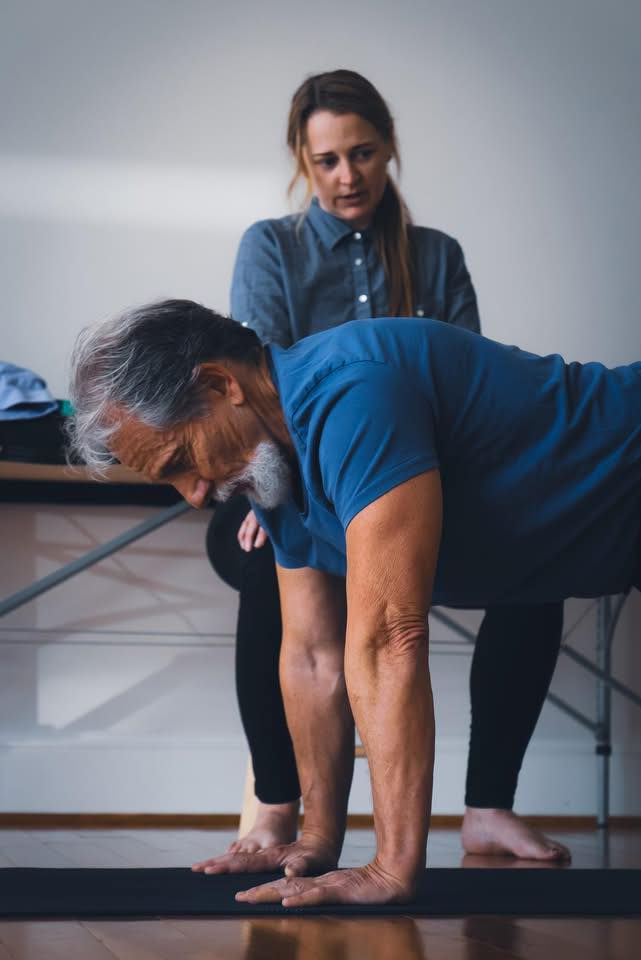
Why Being Able to Get Up Safely Matters
Falling is a common event, especially for older adults or those with mobility challenges. According to the Centers for Disease Control and Prevention (CDC), one in four adults aged 65 and older falls each year. Many falls happen at home, and the inability to get up afterward can lead to serious complications.
Being able to get up without assistance means:
Increased safety: You reduce the time spent on the floor, lowering the risk of further injury.
Greater independence: You rely less on others for help, which boosts confidence and self-esteem.
Improved emergency response: If you fall alone, knowing how to get up safely can prevent a crisis.
Learning the right technique is crucial because trying to get up incorrectly can cause strain or worsen injuries.
Assessing Your Situation and Abilities
Before practicing any method, it’s important to evaluate your physical condition and environment. Consider the following:
Mobility level: Can you move easily on the floor? Do you have joint pain or stiffness?
Strength: Do you have enough upper and lower body strength to push yourself up?
Balance: Are you steady when standing or do you need support?
Environment: Is the floor surface safe and free of obstacles? Are there sturdy objects nearby to assist you?
If you have health concerns or recent injuries, consult a healthcare professional at Second Arrow before attempting new techniques.
Step-by-Step Methods to Get Up Off the Floor Safely
Here are some proven methods to get up from the floor safely. Practice these slowly and carefully, ideally with supervision at first.
Method 1: The Roll and Push Method
This method works well if you can roll and push yourself up but have limited knee strength.
Roll onto your side: Bend your knees slightly and roll onto your side.
Push up onto your elbow: Use your arm to push your upper body up until you are supported on your elbow.
Move to a seated position: Use your hands to push yourself into a seated position with your legs extended.
Bring one knee up: Bend one knee and place your foot flat on the floor.
Push up to stand: Use your hands on the floor or a sturdy object to push yourself up, keeping your weight on the bent leg.
Method 2: The Chair-Assisted Method
If you have a sturdy chair nearby, this method provides extra support.
Roll onto your side and then onto your hands and knees.
Crawl or scoot to the chair.
Place your hands on the chair seat.
Bring one foot forward, flat on the floor.
Push up with your arms and leg to stand.
Method 3: The Half-Kneel Method
This method requires more strength but is effective for those with good knee mobility.
Roll onto your side and then onto your hands and knees.
Bring one foot forward between your hands, placing it flat on the floor.
Shift your weight onto the front foot and push up to a half-kneeling position.
Use your hands on a sturdy surface to push yourself up to standing.
Tips for Practicing Safely
Practice on a soft surface like a carpet or yoga mat to reduce discomfort.
Wear comfortable clothing that allows free movement.
Use sturdy furniture or grab bars for support.
Take your time and avoid rushing.
Ask for help if you feel unsure or unsafe.
Build strength and flexibility through regular exercise to improve your ability to get up.
Building Strength and Confidence
Getting up safely depends on your physical condition. Incorporate exercises that strengthen your legs, arms, and core muscles. Balance exercises like standing on one foot or heel-to-toe walking can also help.
Some simple exercises include:
Sit-to-stand repetitions from a chair.
Wall push-ups to build upper body strength.
Leg lifts while seated or lying down.
Regular practice of these exercises will make the process of getting up easier and safer.
When to Seek Professional Help
If you experience frequent falls, pain when moving, or difficulty getting up despite practice, consult a physical therapist or healthcare provider. They can assess your needs and recommend personalized strategies or equipment like grab bars or mobility aids.
At Second Arrow, we offer tailored training to help you learn the safest method based on your abilities. Our experts guide you step-by-step, ensuring you gain confidence and independence.
Mastering how to get up safely from the floor is a vital skill that protects your health and independence. By learning the right techniques and practicing regularly, you reduce the risk of injury and increase your confidence in daily life. Remember, it’s not just about getting up—it’s about doing so safely and effectively.


